
Advertentie

Advertentie

Building the Foundation for Energy Transformation: Suriname’s Electricity Sector Plan Sets the Stage
Suriname Energy Guide

The Energy Authority Suriname (EAS) has officially launched its Electricity Sector Plan (ESP) — a landmark initiative that outlines a bold and comprehensive strategy to modernize, expand, and decarbonize Suriname’s electricity system. This plan marks a pivotal step toward a more integrated, resilient, and future-ready energy landscape, capable of serving the nation’s growing demand while aligning with international climate and development goals.
The ESP is built on three strategic pillars:
- Legislative and Regulatory Strengthening – to enhance transparency, sector oversight, and investor confidence.
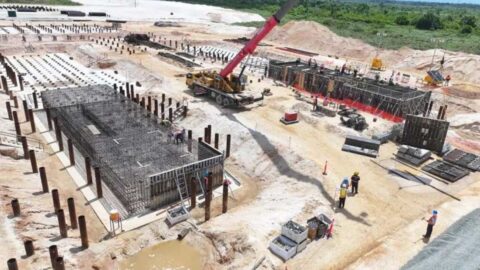
- Infrastructure and Investment Planning – focused on expanding and upgrading generation, transmission, and distribution networks.
- Sustainable Energy Transition – facilitating a steady but deliberate move from fossil fuels to renewable sources such as solar and wind.
This strategic orientation demonstrates Suriname’s commitment to long-term energy security, economic diversification, and environmental responsibility. The plan is grounded in the Electricity Law of 2016 and closely aligned with national frameworks including the Green Development Strategy (GDS) and the UN Sustainable Development Goals (SDGs).
With electricity demand projected to exceed 1.3 GW over the next two decades, the ESP underscores the urgency of investing in new generation capacity, grid modernization, and energy storage. It also opens the door for innovation in electrifying transport and productive sectors, and for expanding decentralized energy access in remote and underserved regions.
A Call for Collaboration: The Role of the Private Sector
Central to the success of the ESP is the recognition that public-private cooperation is not optional—it is essential. The plan is accompanied by a strong call to action for private sector engagement in project development, financing, innovation, and capacity building.
At the forefront of this effort is the collaboration between the Energy Authority Suriname (EAS) and the Suriname Energy Chamber (SEC). Together, they are forging a bridge between policy and practice—ensuring that the ESP is not only technically robust, but also commercially viable and locally grounded. This partnership reflects a shared understanding that Suriname’s energy transformation must be co-created by both government and industry, through open dialogue, shared responsibility, and joint investment.
This model of cooperation is already producing tangible results. The SEC, working closely with business associations such as Associatie van Surinaamse Fabrikanten (ASFA) and Vereniging Surinaams Bedrijfsleven (VSB), is actively supporting the EAS in engaging the private sector. Together, they are informing businesses of the challenges and opportunities within the ESP, and helping align investment strategies with national priorities.
This public-private platform is creating fertile ground for transformational projects:
- Over 1,300 MW of new capacity is projected—largely from renewables and other sustainable sources.
- Ambitious goals have been set to provide 24/7 renewable electricity access to over 200 interior villages, unlocking new possibilities for inclusive development.
- The SEC and EAS are also engaging stakeholders to monitor, refine, and adapt the ESP over the coming five years—ensuring it remains relevant and responsive to shifting realities.
Benchmarking International Best Practices
The ESP takes inspiration from successful models in countries like Jamaica and Uruguay.
- Jamaica has demonstrated how regulatory reform and competitive procurement can accelerate clean energy investment while safeguarding grid stability.
- Uruguay, through consistent policy execution and strong stakeholder alignment, has transitioned to a power mix with over 95% renewables—lowering electricity costs and enhancing energy independence in the process.
Suriname is well-positioned to follow a similar path, leveraging the lessons of others while crafting a uniquely national approach.
An Open Invitation to Shape Suriname’s Energy Future
The Electricity Sector Plan is more than a policy document — it is a national invitation for all stakeholders to become partners in shaping a sustainable energy future.
By aligning interests and working together, Suriname has the potential to transform its electricity sector into a driver of green growth, industrial development, and social equity.
With the Suriname Energy Chamber acting as a bridge between vision and execution, and its collaboration with EAS setting a strong example, the conditions are now right for bold and strategic investments.
For developers, financiers, utilities, and communities — local and international alike — the ESP offers clarity, direction, and opportunity.
Date: 4 augustus 2025





Categories:
Tags:
Advertentie


Wilt u uw merk hier tonen?
Maak contact en ontdek de advertentiemogelijkheden!
Wilt u uw merk hier tonen?
Maak contact en ontdek de advertentiemogelijkheden!
– DISCLAIMER –
LocalContentSuriname.com is een portaal waar ondernemers, bedrijven en stichtingen zich willen presenteren. Deze website is niet verantwoordelijk voor de inhoud die op deze pagina getoond wordt. Alle informatie die op deze pagina wordt verstrekt, moet onafhankelijk worden geverifieerd. Er worden geen garanties of verklaringen gegeven voor de juistheid van de informatie. Ga naar veelgestelde vragen voor meer informatie.